
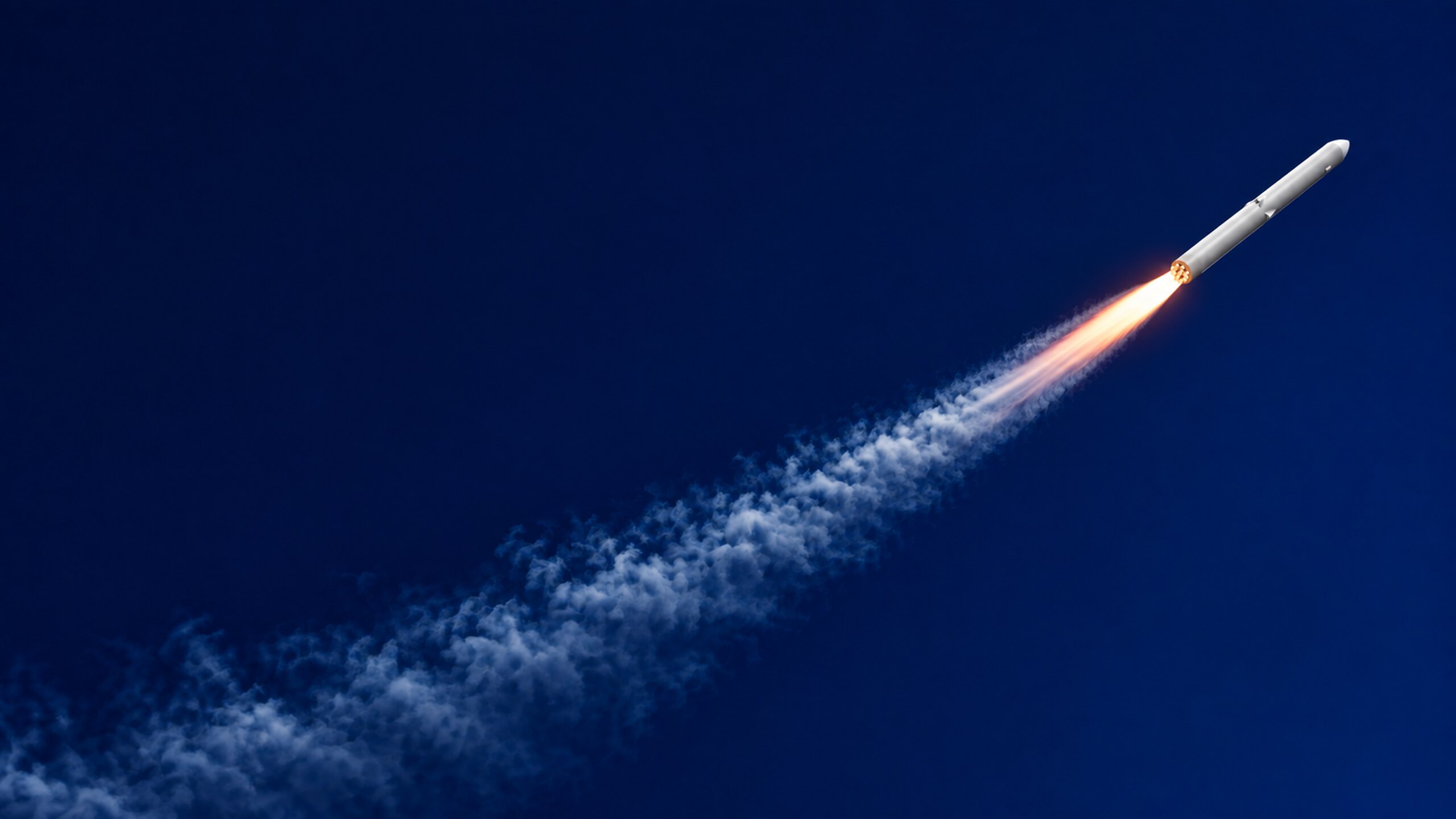
航班化液体运载火箭Airline-Grade Liquid Launch Vehicles
让运载火箭
像飞机一样往返Return a rocket
like an airliner
我们把火箭的返回段重新做了一遍:顶部液体动力以「拉」的方式承载空重箭体着陆,取消庞大的地面回收设施,让同一枚箭体在几乎任意场地反复起降。We rebuilt the descent phase. Top-mounted liquid engines pull the empty vehicle down to a landing, removing heavy ground recovery infrastructure so one vehicle can fly again from almost any site.
一次任务的剖面One mission, end to end
从点火到再次就位From ignition to back on the stand
-
阶段 01Stage 01
点火发射Ignition
一级 9 台巨龙-300 同时点火,液氧甲烷泵压式供应,无火工品冷气启动。Nine Julong-300s ignite together on the first stage — methalox fed by turbopumps, started without pyrotechnics.
-
阶段 02Stage 02
垂直升空Vertical ascent
3.35 m 标准直径、全不锈钢共底贮箱,最大起飞重量 227 t。A 3.35 m standard-diameter airframe with all-stainless common-bulkhead tanks, 227 t at liftoff.
-
阶段 03Stage 03
一二级分离Stage separation
级间段是承力过渡,也是级间分离面。分离后二级继续入轨;一级顶部 4 台提箭发动机即刻接管,托住箭体返回。The interstage carries the loads and is the separation plane. The second stage goes on to orbit; the four lift engines atop the first stage take over at once and fly the booster home.
-
阶段 04Stage 04
一级箭体回收Booster recovery
底部主动力完成主要减速,近地段由顶部提箭发动机承担箭体空重完成着陆 —— 推力作用点在质心之上,下降段静稳定。The base engines do the primary braking; near the ground the top-mounted lift engines carry the empty vehicle's weight to touchdown — thrust above the centre of mass keeps the descent statically stable.
-
阶段 05Stage 05
一级自动转移Self-transfer
顶部 4 台提箭发动机再次点火,箭体腾空自搬运至检修工位 —— 落地即在工位,复用周期从「回收 — 转运 — 检修」压缩为就地检修。The four lift engines fire again and the booster flies itself to the service bay — landing where it will be serviced, collapsing the reuse cycle from recover–transport–inspect down to inspect in place.
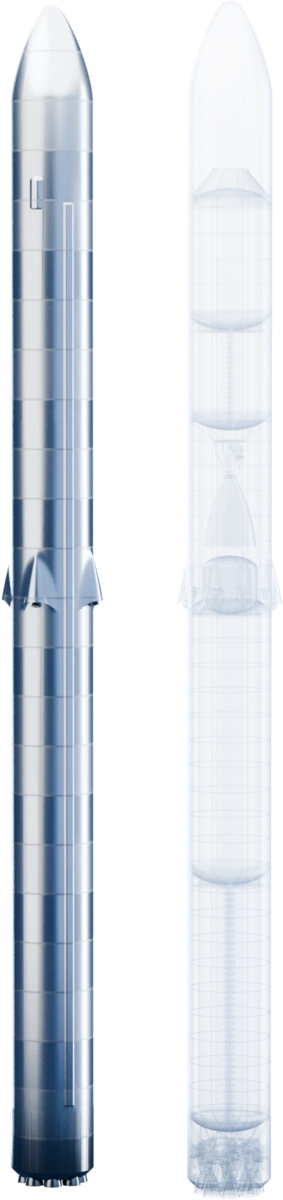
核心技术Core Technology
提箭回收Lift recovery
返回段由底部主动力完成再入减速,近地段切换到顶部提箭发动机,以拉的方式托住空重箭体着陆。高可靠、深复用、全场景。The main engines at the base handle re-entry braking; near the ground the vehicle switches to the top-mounted lift engines, which hold the empty airframe through touchdown. Reliable, deeply reusable, site-agnostic.
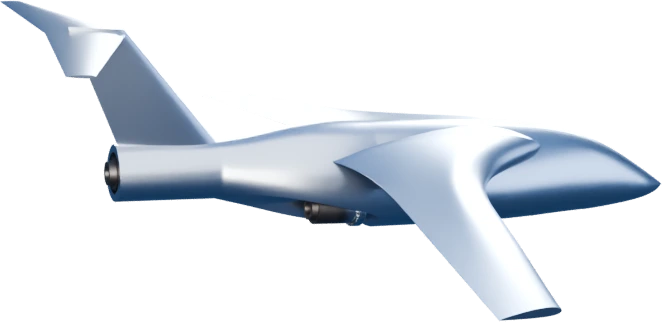
变模态飞行器Variable-Mode Vehicles
40 吨级
液体动力运输平台40-tonne
liquid-powered transport
800 km/h 巡航、1.5 t 运力、8.3 m³ 货舱。单机造价与吨公里成本,分别比同级倾转旋翼低 97% 与 66%。800 km/h cruise, 1.5 t payload, 8.3 m³ hold. Unit cost and cost per tonne-kilometre come in 97% and 66% below a comparable tiltrotor.
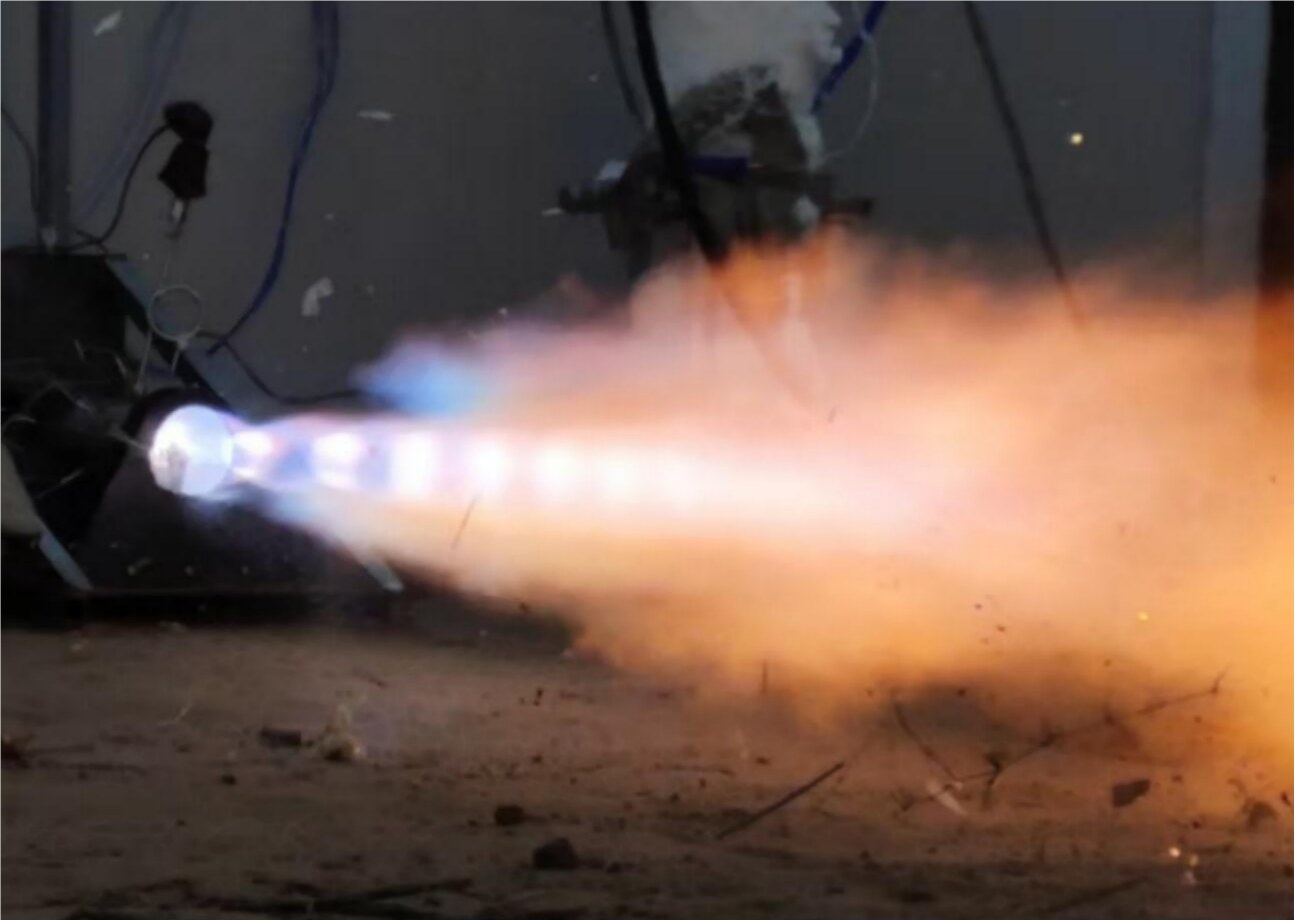
巨龙系列发动机Julong Engine Series
液氧甲烷
深度复用Methalox,
built to fly again
巨龙-100:推力 10 t、室压 10 MPa、比冲 280 s、推重比 70。巨龙-300:推力 30 t、推重比 75,矢量摇摆 ±20°。Julong-100: 10 t thrust, 10 MPa chamber pressure, 280 s specific impulse, thrust-to-weight 70. Julong-300: 30 t thrust, thrust-to-weight 75, ±20° gimbal.

运载火箭Launch Vehicle
227 吨
提箭式运载火箭227-tonne
lift-recovery rocket
一级 9 台 30 吨级发动机,3.35 m 全不锈钢共底贮箱。回收状态近地运力 2 t,不回收 3 t,月球轨道 200 kg。Nine 30-tonne engines on the first stage and a 3.35 m all-stainless common-bulkhead tank. 2 t to low orbit when recovered, 3 t expendable, 200 kg to lunar orbit.
研发进展Progress
样机已经在飞Hardware is flying
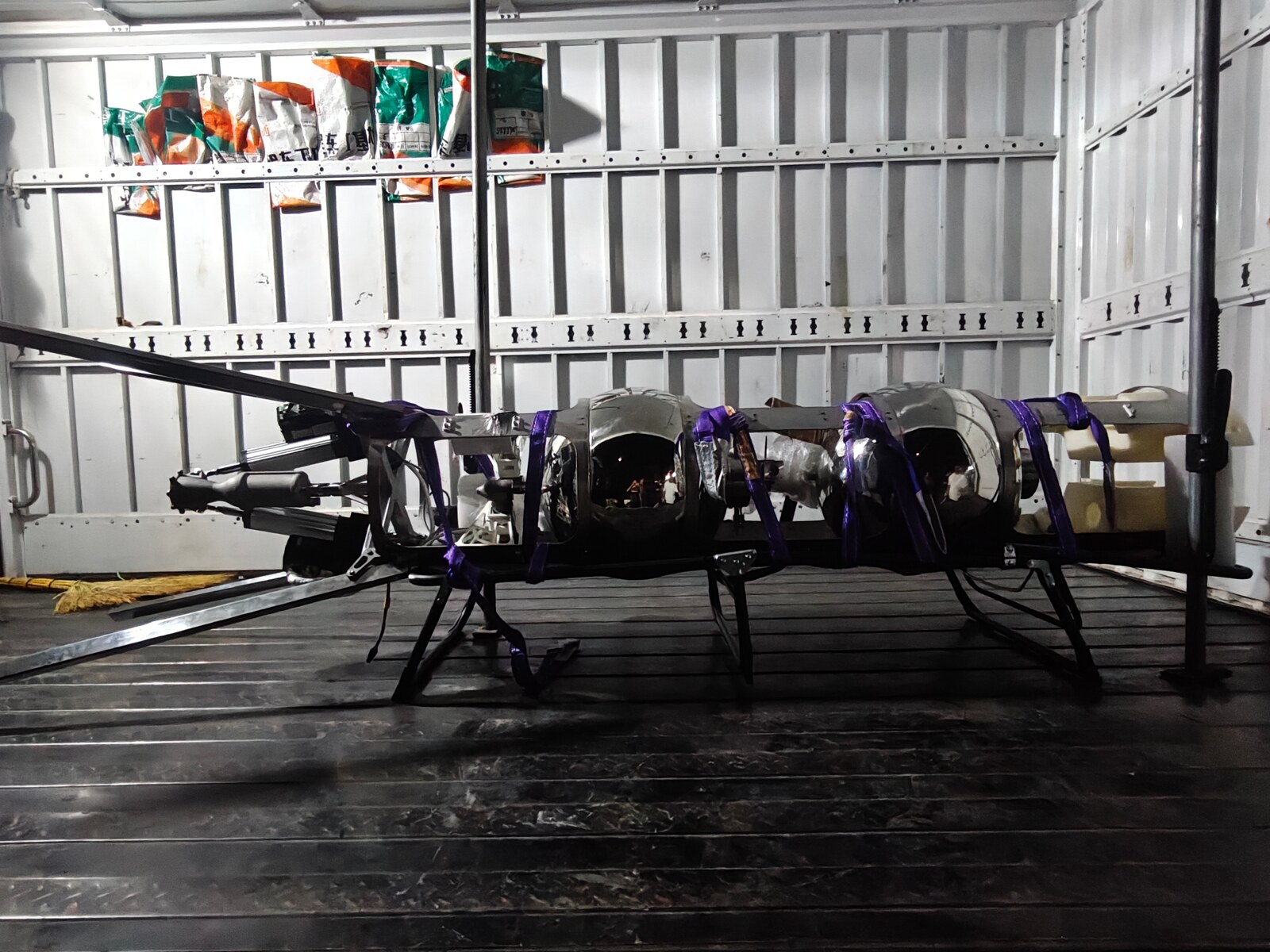
200 kg 级变模态验证平台完成整机装配与同轴动力试验台调试。绵阳、南京双研发中心,盐亭地面试验场,酒泉飞行试验场。The 200 kg variable-mode demonstrator is assembled and the coaxial propulsion test stand is running. Two R&D centres in Mianyang and Nanjing, ground testing at Yanting, flight testing at Jiuquan.
10 吨级平台关键指标10-tonne platform, key numbers
- 最大起飞重量Max takeoff mass
- 10t
- 巡航速度Cruise speed
- 800km/h
- 航程Range
- 1000km
- 货舱容积Cargo volume
- 8.3m³
- 单机造价Unit cost
- −97%
对比口径:与同级倾转旋翼飞行器对照 —— 单机造价 5000 万元 → 150 万元,吨公里成本 3–4 元 → 1–2 元。数据来自公司内部设计指标与测算,非第三方实测结果。Basis: compared with a same-class tiltrotor aircraft — unit cost from ¥50M down to ¥1.5M, cost per tonne-kilometre from ¥3–4 down to ¥1–2. Figures are internal design targets and estimates, not third-party measurements.